


Genesys has consistently shown a strong commitment to more sustainable business practices, and its approach to addressing carbon emissions associated with Inspire was no different.
For the third year in a row, Genesys has collaborated with Rubicon Carbon to assess the event’s footprint, minimize emissions, offset the remainder, and support communities.
Genesys addressed unavoidable emissions from areas such as attendee travel, lodging, and energy usage, amongst others, by purchasing a portfolio of high-quality projects.
As a result, the emissions offsets help support leading nature-based solutions such as Kuamut’s Bornean rainforest protection in Malaysia, Katingan Mentaya’s peatland conservation in Indonesia, and Manulife’s Blueback IFM sustainable forestry project in the northeastern United States, all of which you can read about more below.
Travel accounted for the majority of Inspire’s carbon footprint, with air travel representing approximately 82% of total event emissions.
Genesys selected a host location that was geographically central to anticipated attendees to help reduce overall flight distances and associated emissions.
The choice of hotels makes a difference. Hotel stays represented approximately 11% of total event emissions.
Genesys hosted Inspire at the Gaylord Pacific Resort & Convention Center, a property that implements water-efficient fixtures, towel and linen reuse programs, energy-efficient HVAC systems, and waste-reduction initiatives such as elimination of single-use toiletry bottles and single-stream recycling.
Remaining lodging-related emissions were mitigated through the retirement of carbon offsets, avoiding emissions equivalent to 18,000 gallons of gasoline consumed.
The Gaylord Pacific Resort & Convention Center employs a range of energy-efficiency measures, including onsite combined heat and power generation, LED lighting with motion and daylight sensors, building automation systems, and high-performance low-emissivity glass to reduce HVAC demand.
Remaining energy-related emissions were mitigated through carbon offsets, equivalent to charging more than 3.5 million smartphones.
Conference “swag” can contribute to many unnecessary emissions associated with hosting in-person events.
Genesys has committed to not utilizing registration “swag” to reduce these emissions, saving an estimated 0.5 metric tons of emissions, equivalent to 555 pounds of coal burned.
Event materials and infrastructure prioritized reusable, recyclable, compostable, and repurposed options, supported by Gaylord’s onsite recycling and cardboard baling programs.
Waste was the smallest contributor to emissions but it was still important to capture.
Waste accounted for less than 1% of total event emissions.
The Gaylord Pacific Resort & Convention Center’s waste-reduction practices—including single-stream recycling, onsite composting, cardboard baling, and recycling of used cooking oil into biofuels—helped minimize landfill disposal and nearly eliminate emissions associated with event waste.
Food and beverage operations incorporate sustainability-focused practices, including sourcing from local, organic, and sustainable providers.
An on-site herb garden provides fresh ingredients such as mint for resort dining offerings.


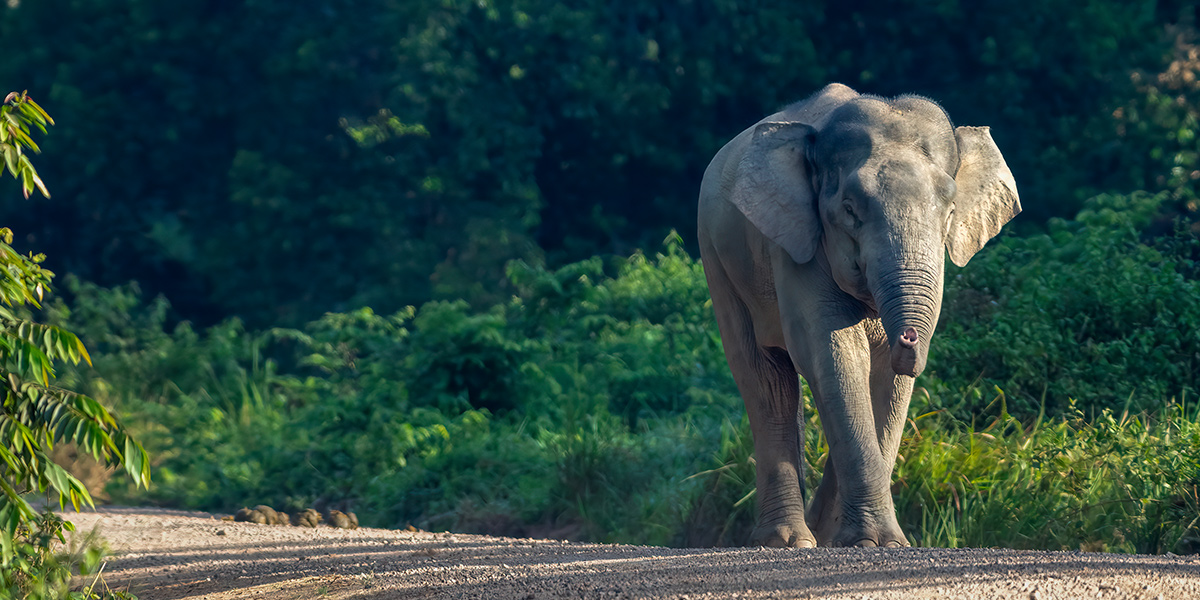

Located in Sabah, Malaysian Borneo, the Kuamut Improved Forest Management (IFM) project protects 83,831 hectares of regenerating rainforest.
Previously classified as a Class II logged "production forest" facing continued commercial exploitation, the project area has been reclassified as a Class I protection forest, allowing the ecosystem to recover and thrive.
Carbon credit revenue enables this legal reclassification by providing income to Yayasan Sabah, the state-owned charitable foundation landowner, in lieu of timber harvest.
Since the project began in 2015, orangutan populations have nearly doubled through successful biodiversity protection efforts.
The project delivers tangible community benefits to 3,000 local residents across the Karamuak and Kuamut village clusters through nursery operations, enrichment planting with indigenous tree species, and benefit-sharing programs that create sustainable livelihoods while protecting one of Borneo's critical forest ecosystems.
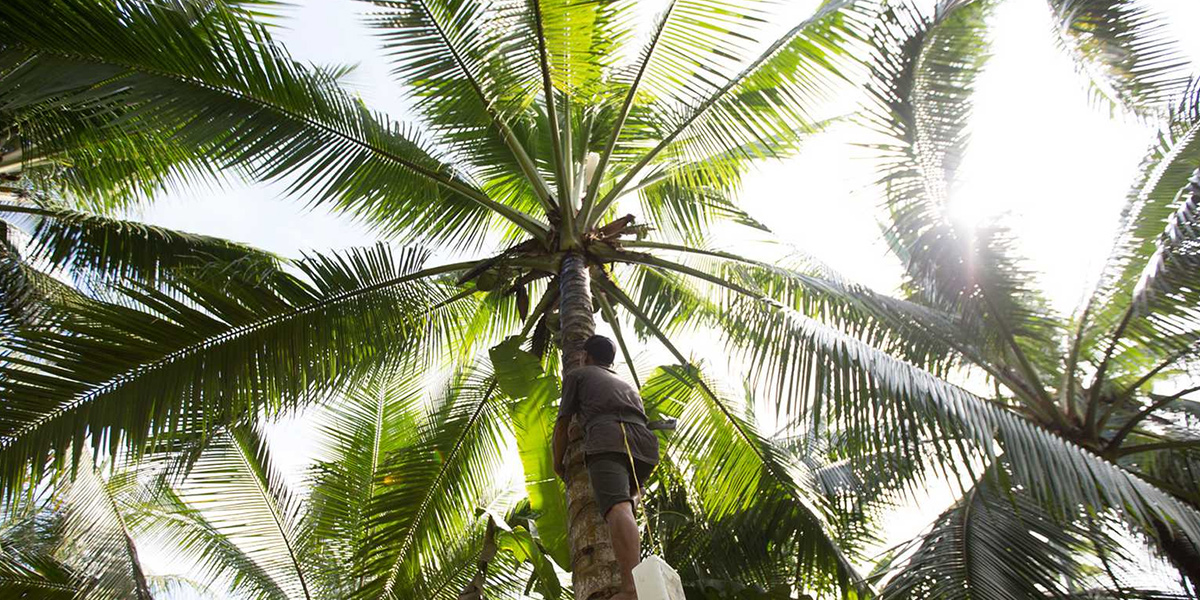

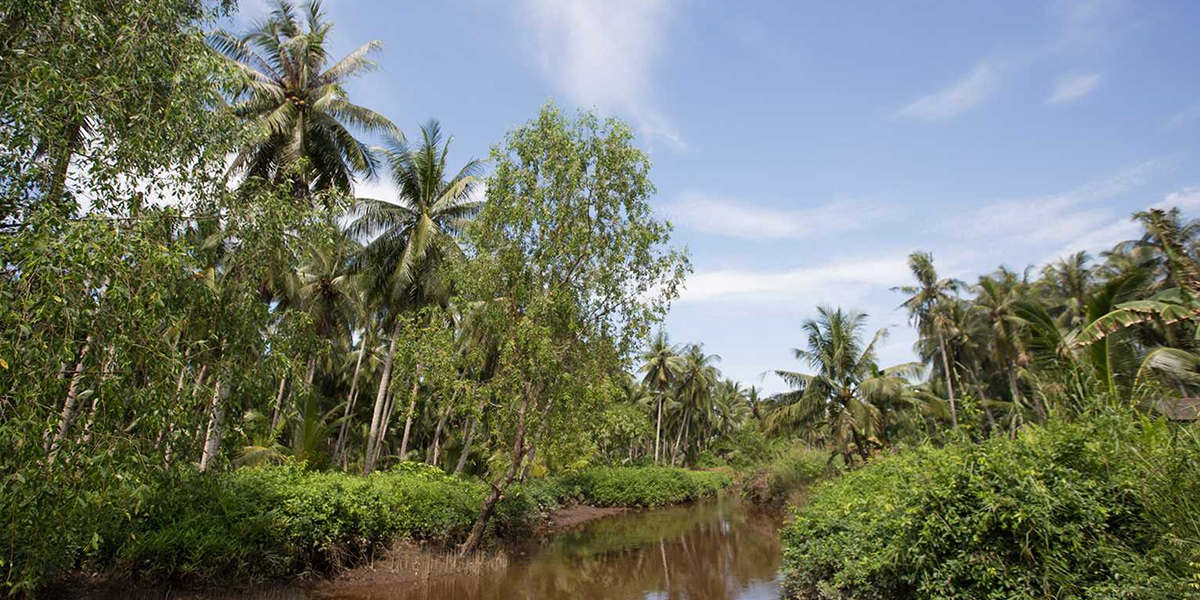
Spanning nearly 150,000 hectares in Central Kalimantan, Indonesia, Katingan Mentaya protects some of the last remaining peatland swamp forests on the island of Borneo.
Previously classified as Production Forest and slated for commercial plantation development, this project area now serves as an 'island' of biodiversity surrounded by deforested and plantation lands.
The project protects both the existing forest and the extremely carbon-rich peat dome beneath it, which would have been drained and converted without intervention.
Since 2010, Katingan has successfully maintained biodiversity levels through forest patrols and industry-leading fire detection and prevention systems, providing habitat for endangered Bornean orangutans, proboscis monkeys, and over 300 bird species while delivering premium carbon credits.

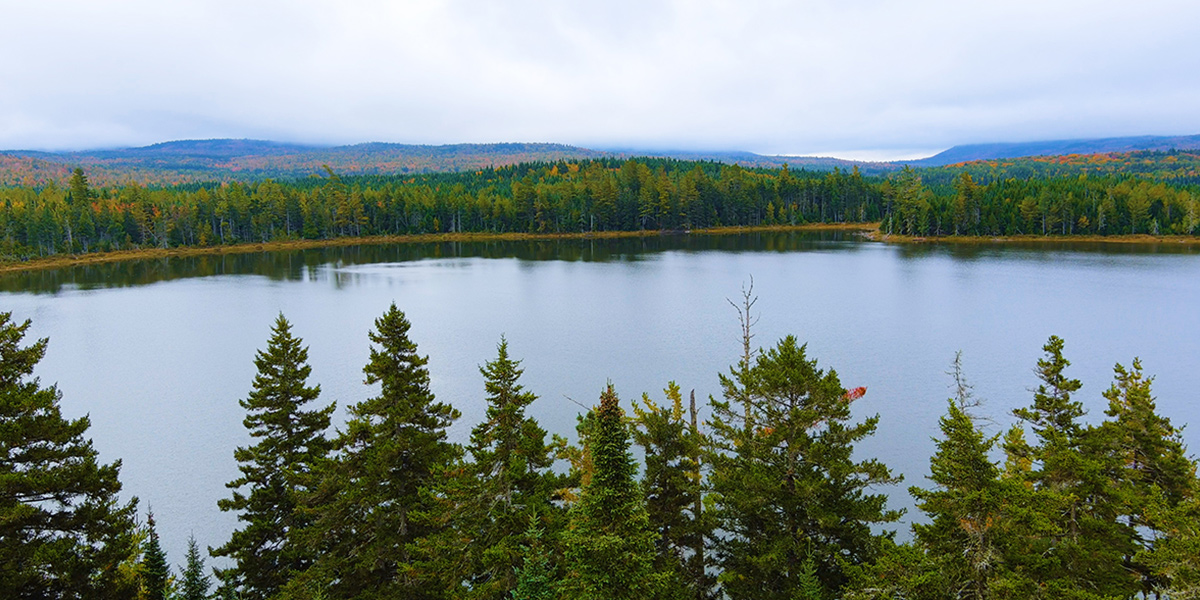

Located in Somerset County, Maine, the Manulife Blueback project encompasses approximately 80,000 contiguous acres of working forestland acquired by Manulife in 2021.
Using the ACR IFM v2.0 protocol, this project is benchmarked against typical commercial timber operations in Maine, demonstrating clear climate benefits beyond business-as-usual practices.
Through science-backed carbon accounting using robust allometric models and forest inventories, the project is expected to generate approximately 1.8 million tCO₂e over a 20-year crediting period.
By extending harvest rotation cycles and avoiding intensive harvest practices, Blueback protects critical habitat for rare and endangered species including Canada lynx and blueback char, while maintaining forest integrity, biodiversity, and clean water resources.
This large-scale project demonstrates how responsible forestry on working lands can deliver high-quality carbon credits while preserving ecological value and supporting sustainable forest management.